Surya Engineering · PAN India Manufacturer & Supplier

Backer
Rod

Professional-grade Backer Rods essential for optimizing joint sealant performance in highways, industrial flooring, and commercial facades — providing superior compression recovery, water resistance, and controlled joint movement for long-term infrastructure durability across India.

Request Bulk Quote →
2:1
Sealant-to-Joint Depth Ratio
Zero
Water Absorption (Closed-Cell)
PAN
India Supply Network
Backer Rod by Surya Engineering – Polyethylene Foam Joint Backing for Construction Joints and Highways
🔵 Closed-Cell / Open-Cell · Bond Breaker

What are Backer Rods?

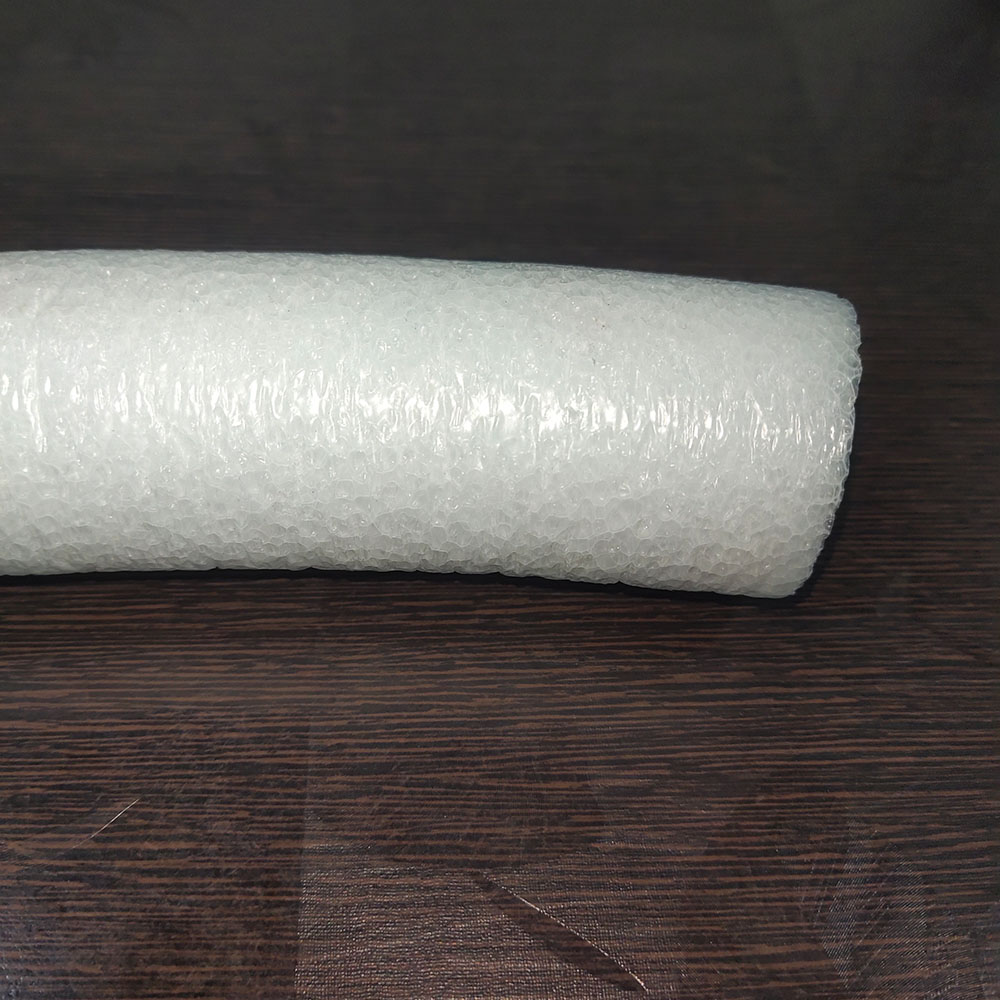
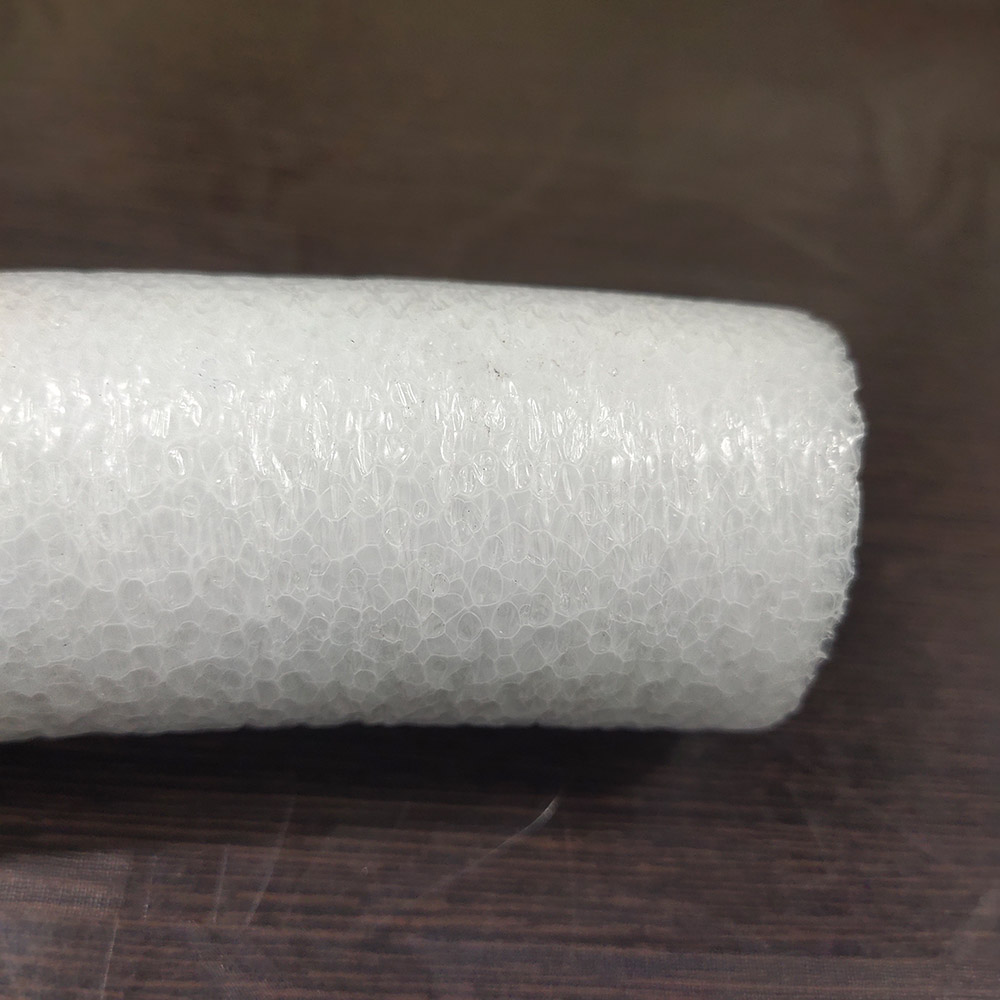
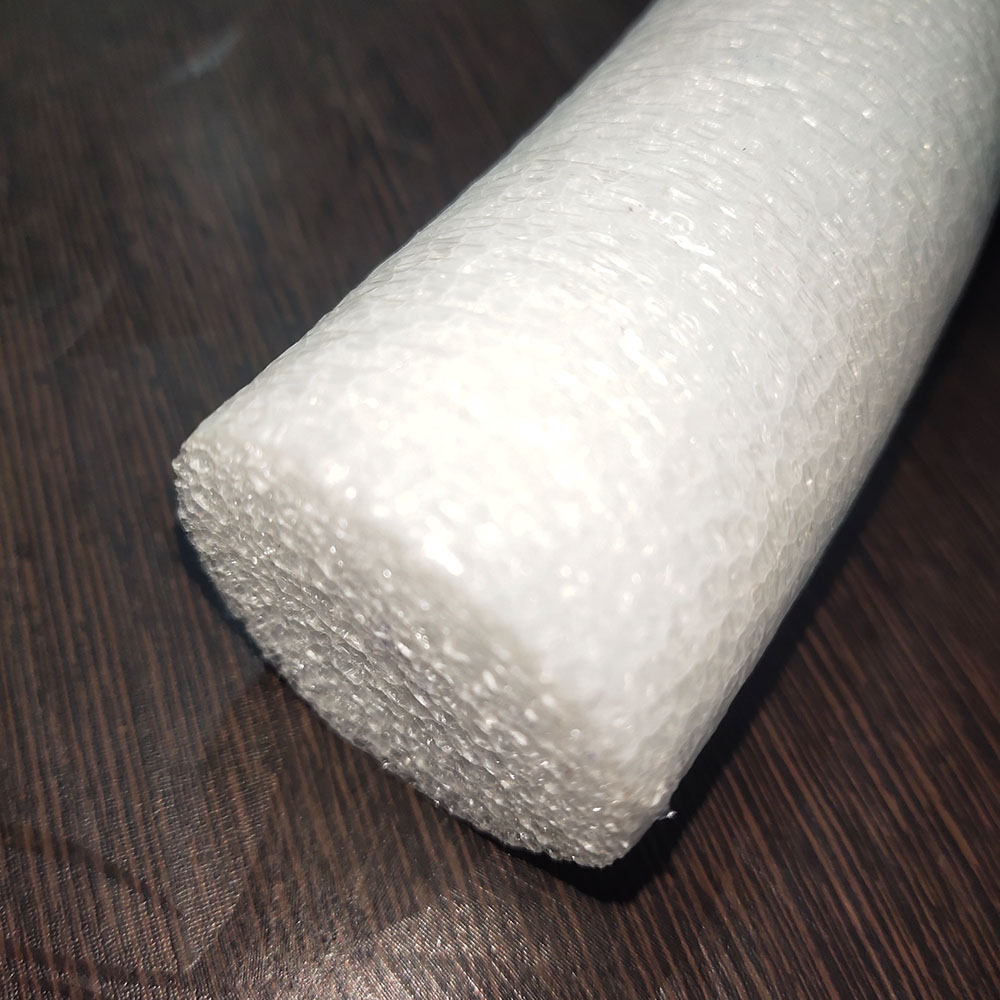
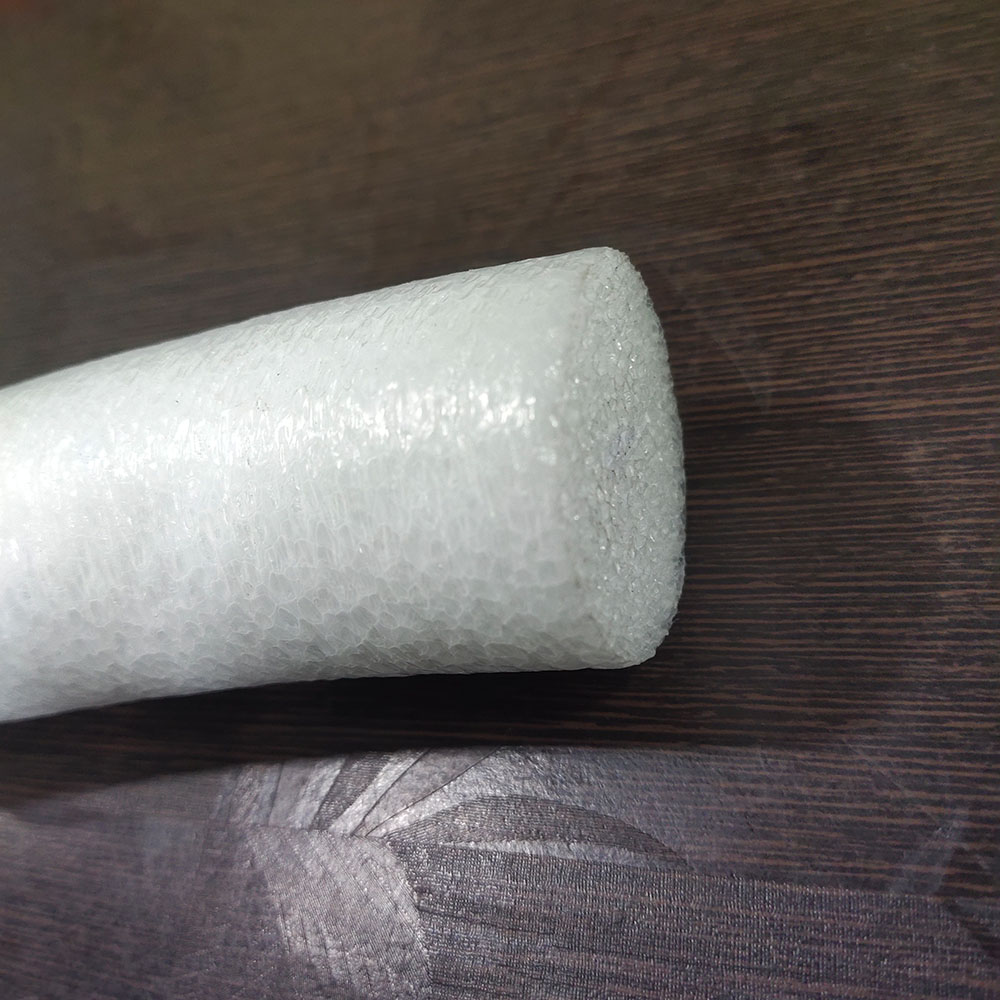
Backer rods are essential foam cylinders inserted into joints before applying sealants. Available in closed-cell polyethylene or open-cell polyurethane, they accommodate various construction materials. Their primary function is ensuring a two-sided adhesion bond, preventing "three-sided adhesion" that leads to joint failure.

By acting as a bond breaker, these rods allow sealants to expand and compress freely, effectively managing structural movement and ensuring long-term durability in concrete, steel, and masonry projects.

Joint Backing Rods
Sealant Support Rods
Foam Joint Fillers
Bond Breaker Rods
Expansion Joint Backers
Polyethylene Foam Rods
Construction Joint Sealers

Why are Backer Rods Used?

Concrete, steel, and glass structures constantly expand and contract due to temperature changes and loads. Without proper backing, sealants applied too deeply consume more material and risk premature failure. Our backer rods solve this by providing uniform support, ensuring the sealant maintains its elasticity and intended shape.

Beyond controlling depth, they act as vital barriers against water and debris. This transforms simple gaps into engineered joints, significantly reducing maintenance costs, preventing cracks, and enhancing the long-term weather resistance and durability of critical modern infrastructure projects.

🔗
Prevents Three-Sided Adhesion
Acts as a bond breaker so sealant adheres only to joint sidewalls, allowing free expansion and compression without tearing.
  • Eliminates joint failure risk
  • Sealant flexibility preserved
  • Long-term joint integrity
📏
Controls Sealant Depth
Maintains the correct 2:1 sealant-to-joint ratio, preventing over-application and ensuring optimal sealant performance.
  • Reduces sealant consumption
  • Consistent joint profile
  • Lower project material costs
💧
Water & Debris Barrier
Provides an effective physical barrier against water infiltration and debris ingress into open construction joints.
  • Prevents moisture damage
  • Reduces freeze-thaw damage
  • Improved weather resistance
🔄
High Compression Recovery
Returns to original shape after cyclic compression, maintaining consistent sealant support under dynamic structural movement.
  • Durable under load cycles
  • Maintains joint geometry
  • Reliable long-term performance
💰
Reduces Maintenance Costs
Engineered joint sealing significantly reduces cracking, resealing requirements, and structural repair expenditure over time.
  • Fewer joint repairs
  • Extended structure lifespan
  • Lower lifecycle costs

Technical Specifications of Backer Rods

ParameterSpecification
Product NameConstruction Joint Backer Rod
MaterialClosed-Cell Polyethylene / Open-Cell Polyurethane
Diameter RangeCustom sizes for joint widths (Standard to Large)
Compression RecoveryHigh (Returns to original shape)
Water AbsorptionNear Zero (Closed-Cell Variant)
Chemical CompatibilityCompatible with Polyurethane, Silicone, Poly-sulfide
Surface FinishSmooth, uniform cylindrical foam
Installation TypeManual insertion via blunt tool
ApplicationConstruction joints, highways, industrial slabs

Types of Backer Rods

Backer Rods are available in different configurations based on application requirements, joint environment, and project specifications.

Closed-Cell
Closed-Cell Backer Rods
The industry standard for most outdoor applications. Highly water-resistant, lightweight, and exhibit excellent compression recovery, making them ideal for concrete pavements, bridge expansion joints, and industrial flooring where moisture ingress must be strictly prevented. Their closed-cell structure ensures they do not absorb water, making them the preferred choice for external elements where freeze-thaw cycles occur.
Open-Cell
Open-Cell Backer Rods
Manufactured from polyurethane foam, these rods are exceptionally soft and flexible. Designed for interior applications, such as window joints and building construction, where air movement through the joint is required to assist in the curing of certain sealants. Their cellular structure is permeable, which can be advantageous in specific sealant applications where venting is necessary for full cure.
Bi-Cellular
Bi-Cellular Backer Rods
A hybrid product that combines the best features of both open and closed-cell technologies. They provide superior flexibility and durability, offering excellent sealant support for high-performance sealing systems in commercial projects. This hybrid approach ensures ease of insertion, similar to open-cell variants, while providing the moisture resistance required for critical sealing applications.

Applications of Backer Rods

Backer Rods are extensively used across municipal, industrial, and infrastructure sectors because of their durability and resistance to harsh environmental conditions.

IndustryApplication
Industrial FlooringWarehouse slabs and heavy-duty traffic areas
Road & Highway ConstructionExpansion joints in rigid pavements
Commercial BuildingsCurtain walls and facade glazing systems
Residential ConstructionGeneral sealing, window-frame gaps
Infrastructure ProjectsBridge decks, underground utilities
Precast ConstructionPanel-to-panel sealing and architectural joints
Water TreatmentExpansion joints in tanks and structures
Smart City ProjectsPublic plazas and pedestrian pathways

Why Backer Rods are Preferred for Construction and Infrastructure

Modern construction projects require sealing systems capable of performing continuously under dynamic stress. Backer rods are specifically engineered for these applications because they manage the sealant-to-depth ratio (typically 2:1), preventing the sealant from bonding to the bottom of the joint.

By forcing the sealant to bond only to the sidewalls, the backer rod allows the sealant to bridge the gap during movement without tearing. For civil contractors and infrastructure authorities, high-quality backer rods represent a long-term investment that minimizes maintenance costs, prevents water infiltration, and improves the operational reliability of the entire structure.

Installation Process of Backer Rods

Proper installation plays an important role in achieving maximum sealant performance and structural longevity.

01
Preparation
Clean the joint thoroughly to remove dust, debris, moisture, and loose particles. A clean, dry surface is essential for proper adhesion.
02
Selection
Choose a backer rod diameter approximately 25% larger than the joint width for a tight, secure fit. This ensures the rod does not fall out or move during sealant application.
03
Insertion
Use a blunt, professional installation tool to press the rod into the joint without stretching or damaging the foam. Stretching the rod can lead to a reduction in diameter and subsequent failure.
04
Positioning
Ensure the rod is installed at the depth specified by project plans to maintain the correct sealant-to-joint ratio.
05
Sealant Application
Apply a compatible primer if required, followed by the approved polyurethane, silicone, or polysulfide sealant.
06
Finishing
Tool the surface of the sealant to achieve a smooth, uniform, and professional finish, ensuring complete contact with the joint walls.

Testing Standards of Backer Rods

While Backer Rods are a specialized component, we align our manufacturing with rigorous quality frameworks, often following standards related to construction joint materials and sealants.

Density Test
Measures foam consistency and material quality to ensure structural integrity across production batches.
Compression Recovery Test
Checks the ability of the rod to return to its original shape after cyclic compression, ensuring long-term joint support.
Water Absorption Test
Evaluates moisture resistance, particularly critical for closed-cell variants in outdoor and submerged environments.
Dimensional Stability Test
Ensures performance remains consistent under temperature fluctuations across different climatic conditions.
Tensile Strength Test
Measures durability under mechanical stress to ensure the rod withstands installation and in-service loading.
Chemical Resistance Test
Verifies compatibility with various sealants including polyurethane, silicone, and polysulfide to prevent material degradation.

Advantages of Backer Rods

Backer rods provide an effective combination of functionality and cost-efficiency. By significantly reducing the volume of expensive sealant required per meter, they offer immediate project savings. Their ease of installation minimizes on-site labor time, while their durability ensures the joint seal remains intact despite years of structural movement.

Compared to using alternative fillers, backer rods offer a specialized, engineered approach to joint movement, making them the preferred solution for modern construction.

🔗
Prevents Three-Sided Adhesion
💧
Near-Zero Water Absorption
🔄
High Compression Recovery
📏
Controls Sealant Depth Ratio
💰
Reduces Sealant Consumption
Fast & Easy Installation
🌡️
Temperature & UV Resistant
⚗️
Chemically Compatible
Long Service Life
🏗️
Suitable for All Joint Types
Reduces Maintenance Costs

Why Choose Surya Engineering?

Surya Engineering manufactures high-performance Backer Rods designed for demanding infrastructure applications. Our products are engineered using premium raw materials, strict quality control processes, and industry-compliant manufacturing standards to ensure reliable field performance.

We serve civil contractors, infrastructure developers, industrial operators, and municipal authorities across India with consistent product quality and dependable delivery support.

🛣️
Road & Highway Construction Contractors
Closed-cell rods for rigid pavement expansion joint sealing.
🏭
Industrial Flooring & Warehouse Developers
High-recovery rods for heavy-duty slab joint management.
🏗️
Precast Concrete Manufacturers
Precision foam rods for panel-to-panel joint sealing systems.
🏢
Commercial Building & Facade Contractors
Flexible open-cell rods for curtain wall and glazing joints.
🏛️
Municipal Infrastructure Authorities
Bulk supply of backer rods for urban road and plaza joints.
💧
Water Treatment Facility Contractors
Waterproof closed-cell rods for tank and reservoir joint sealing.

PAN India Supply & Service Network

Surya Engineering provides fast delivery and logistics support across all key industrial and municipal development regions in India. Our nationwide supply network ensures timely delivery of wholesale orders directly to your construction sites or municipal storage facilities.

🌄 North India
Delhi NCR, Noida, Gurugram, Faridabad, Ghaziabad, Chandigarh, Jaipur, Lucknow, Kanpur, Varanasi, Ludhiana, Amritsar, and Jalandhar.
🌅 West India
Mumbai, Pune, Nashik, Navi Mumbai, Thane, Ahmedabad, Vadodara, Surat, Rajkot, Bhavnagar, Indore, Bhopal, Nagpur, and Aurangabad.
🌞 South India
Bengaluru, Chennai, Hyderabad, Coimbatore, Mysore, Visakhapatnam, Vijayawada, Kochi, Thiruvananthapuram, Hubli, and Mangalore.
🌿 East India
Kolkata, Howrah, Bhubaneswar, Cuttack, Guwahati, Patna, Ranchi, Jamshedpur, and Dhanbad.
🗺️ Central India & Other Regions
Raipur, Prayagraj, Agra, Bareilly, Siliguri, Pondicherry, and Goa.

Frequently Asked Questions

What is the primary purpose of a backer rod? +
A backer rod acts as a bond breaker and depth controller. It fills the lower portion of a joint to prevent "three-sided adhesion," ensuring the sealant can stretch and compress freely without tearing.
How do I choose the correct diameter for my joint? +
Always select a backer rod that is approximately 25% larger than the actual width of the joint. This ensures a tight, secure compression fit so the rod does not shift during application.
What is the difference between Closed-Cell and Open-Cell rods? +
Closed-cell rods are water-resistant and ideal for outdoor highways and pavements. Open-cell rods are permeable and best used for interior applications where air movement is required for the sealant to cure.
Why is avoiding "three-sided adhesion" critical? +
If a sealant bonds to the bottom of the joint, it loses its flexibility. When the joint moves, the sealant will stretch against its own bond and rip, leading to premature joint failure.
Does using a backer rod really save on sealant costs? +
Yes. By filling the lower void of the joint, a backer rod significantly reduces the total volume of expensive sealant required to fill the gap, providing a cost-effective finish for large projects.
What sealants are compatible with Surya Engineering Backer Rods? +
Our backer rods are chemically compatible with polyurethane, silicone, and polysulfide sealants, making them suitable for a wide range of construction joint sealing applications.

Get High-Quality Backer Rods from Surya Engineering

Closed-Cell & Open-Cell Variants · Polyethylene / Polyurethane Foam · Custom Diameters Available · PAN India Supply

Request a Quote →

Email Added Successfully!

Sorry! Email not added